
In today’s fast-paced legal landscape, staying updated on Supreme Court civil procedure precedents is more critical than ever for litigators aiming to win cases and serve their clients effectively.

Recent rulings have reshaped how courts handle procedural nuances, impacting strategy and case management. If you’ve ever found yourself navigating complex motions or jurisdictional challenges, mastering these key precedents can be a game changer.
Join me as we dive into the most influential decisions that every litigator should have at their fingertips to sharpen their edge in court. Whether you’re a seasoned attorney or just starting out, these insights will elevate your practice and keep you ahead of the curve.
Understanding Jurisdictional Boundaries in Civil Litigation
Defining Subject Matter Jurisdiction
Subject matter jurisdiction is the foundation of any civil case—without it, courts simply cannot hear the dispute. From my experience, litigators often underestimate how strictly courts interpret this requirement.
It’s not just about having a case; it’s about having a case that fits within the court’s authority. Recent Supreme Court rulings have clarified that courts must rigorously assess whether the claim falls within their jurisdiction at the outset, even if parties overlook it.
This means that if you fail to raise jurisdictional issues early, you risk losing the chance to contest it later. For example, in cases involving federal question jurisdiction, courts now demand clearer articulation of the federal issue involved, ensuring that the matter genuinely belongs in federal court rather than state court.
Personal Jurisdiction and Its Evolving Standards
Personal jurisdiction is another tricky area that has seen significant refinement. The Supreme Court has tightened the criteria for asserting jurisdiction over defendants, especially in this digital age where businesses operate across state lines.
The “minimum contacts” test remains central but courts have become more nuanced about what counts as sufficient contacts. I recall a case where a defendant’s online sales to a state were deemed insufficient for jurisdiction, underscoring the need to analyze each contact’s quality and nature carefully.
Understanding these developments helps litigators craft better arguments either to assert or challenge jurisdiction, often turning the tide early in litigation.
Venue Selection and Transfer of Venue
Venue is often overlooked, but it can dramatically affect case strategy and outcomes. Recent precedents emphasize the court’s discretion in transferring venue to prevent inconvenience or injustice.
Courts are now more willing to move cases to venues that better serve witness availability and evidence gathering, even if the plaintiff initially chose a less appropriate forum.
This trend demands that attorneys pay close attention to venue rules and be ready to argue for or against transfers early. For instance, a well-timed motion to transfer can save clients time and money, while a poorly timed one can backfire, costing credibility.
Mastering Motion Practice and Procedural Timing
Strategic Use of Motion to Dismiss
Motions to dismiss remain a powerful tool, but recent rulings have reshaped their use, especially concerning pleading standards. The Supreme Court has reinforced the “plausibility” standard, requiring plaintiffs to present enough factual detail to move beyond mere possibility.
From my hands-on experience, this means that as a litigator, you must scrutinize complaints with a fine-tooth comb and be ready to argue not just legal insufficiency but factual implausibility.
This strategic approach often weeds out weak claims early, saving resources.
Summary Judgment: When and How to Strike
Summary judgment has become more accessible but also more demanding. Courts now expect a more thorough factual record before granting summary judgment.
This shift means litigators need to invest heavily in discovery upfront and be meticulous in gathering admissible evidence. I’ve found that presenting a well-organized evidentiary record and anticipating opposing arguments can make or break a summary judgment motion.
Furthermore, the recent emphasis on genuine disputes of material fact calls for careful framing—highlighting what truly matters versus what is merely background noise.
Timeliness and Deadlines: Navigating Procedural Traps
Procedural deadlines can trip up even seasoned attorneys. The Supreme Court has underscored strict adherence to filing deadlines and procedural rules, often denying extensions unless extraordinary circumstances exist.
From real-world practice, I’ve seen cases dismissed for what seemed like minor timing errors, reinforcing the need for vigilant calendaring and proactive communication with clients and courts.
Recognizing when to seek extensions and how to justify them convincingly is a critical skill every litigator must master to avoid costly procedural missteps.
Optimizing Discovery Practices in Light of Supreme Court Guidance
Scope and Limits of Discovery
Discovery is often a battleground, and recent decisions have sharpened the boundaries between relevant information and fishing expeditions. Courts now demand a clearer connection between discovery requests and the claims or defenses involved.
Personally, I’ve learned that drafting narrowly tailored discovery requests not only streamlines the process but also improves the chances of successful motions to compel or protective orders.
This targeted approach prevents discovery abuses and helps focus on the key issues.
Protecting Privilege and Confidentiality
Privilege disputes remain a common challenge, and the Supreme Court has provided nuanced guidance on balancing disclosure with confidentiality. The evolving standards require careful documentation and assertive privilege logs.
From my practice, maintaining detailed privilege records and being ready to justify privilege claims in hearings is essential. Moreover, courts increasingly consider the proportionality of disclosure, so litigators must weigh the risks and benefits carefully when negotiating protective orders or deciding what to produce.
Electronic Discovery and Technological Adaptations
The digital era has transformed discovery, making electronic discovery (eDiscovery) a pivotal aspect. Recent rulings emphasize the need for reasonable efforts to preserve and produce electronically stored information (ESI) while avoiding undue burden.
I’ve witnessed firsthand how early cooperation between parties on ESI protocols can prevent costly disputes. Staying current with technology trends and understanding how courts view eDiscovery issues can give litigators a strategic advantage, especially in complex, document-heavy cases.
Effective Use of Appeals and Post-Judgment Motions
Preserving Issues for Appeal
The Supreme Court’s rulings highlight the importance of preserving issues at the trial level to ensure they are reviewable on appeal. In my experience, failing to object or raise specific arguments during trial often results in waiver, closing the door on potential reversals.
This means litigators must be vigilant in raising all possible objections and motions timely. A well-maintained record can be the difference between winning on appeal or having critical issues ignored.
Standards of Review and Their Impact
Understanding how appellate courts review different types of decisions is crucial. The Court has clarified that questions of law receive de novo review, while factual findings get a more deferential “clear error” standard.
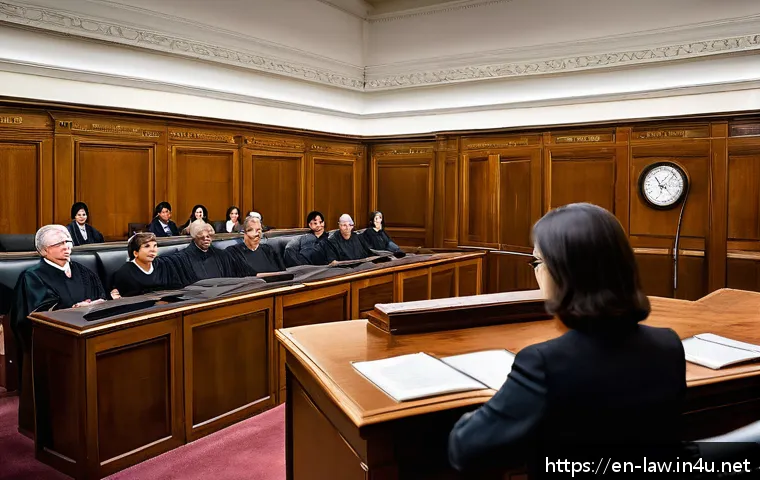
I’ve found that tailoring appellate briefs to these standards, emphasizing the appropriate lens for each issue, increases the odds of success. Knowing when to push for appellate intervention versus when to settle can save clients significant resources.
Post-Judgment Relief and Its Strategic Uses
Post-judgment motions, such as motions for reconsideration or relief from judgment, have become vital tactical tools. Recent precedents stress strict criteria for granting such motions, requiring litigators to present compelling new evidence or demonstrate clear errors.
Based on my courtroom observations, these motions can be effective when used judiciously but often fail if treated as mere delays. Crafting persuasive arguments grounded in the latest case law is essential to maximize their impact.
Balancing Class Actions and Individual Litigation
Certification Standards for Class Actions
Class actions have undergone significant scrutiny, with the Supreme Court refining the certification requirements. The focus now rests heavily on commonality and predominance of common issues over individual ones.
From a practical standpoint, this means attorneys must prepare robust evidence demonstrating the class’s cohesiveness. I’ve seen certification granted or denied based on how convincingly lawyers can show that common questions will drive the case’s resolution, which directly affects strategy and potential settlement leverage.
Managing Notice and Due Process Concerns
Notice to class members is a constitutional safeguard that courts enforce rigorously. The Court insists on clear, reasonable notice procedures that afford class members a genuine opportunity to opt out or participate.
I’ve found that investing in comprehensive notice plans, including digital and traditional methods, not only satisfies due process but also mitigates risks of future challenges.
This aspect demands collaboration with experts and a proactive approach.
Settlement Dynamics in Class Litigation
Settlements in class actions are heavily regulated, with courts scrutinizing fairness and adequacy. Recent rulings stress transparency and active court oversight.
From my experience, crafting settlement agreements that clearly address class members’ interests and provide detailed disclosures can expedite approval.
Understanding these requirements helps litigators negotiate better deals and manage client expectations effectively.
Key Procedural Insights in Multi-District Litigation
Criteria for Centralization and Transfer
Multi-district litigation (MDL) offers a unique procedural mechanism, and the Supreme Court has outlined strict criteria for centralizing cases to streamline pretrial proceedings.
The emphasis is on promoting efficiency without sacrificing individual parties’ rights. I’ve witnessed MDL centralization save enormous time and costs but also require careful navigation of jurisdictional and procedural nuances.
Knowing when to push for or against centralization is a vital skill in complex litigation.
Coordination Between Transferred Cases
Managing coordination among multiple cases within an MDL demands exceptional organizational skills. Courts expect consolidated discovery and coordinated motions, but recent rulings emphasize preserving the rights of individual plaintiffs.
From my experience, balancing these competing interests requires clear communication with the court and all parties, meticulous case management, and strategic planning to avoid delays.
Strategies for Resolution Within MDL
MDLs often conclude with global settlements or targeted resolutions. The Supreme Court’s guidance encourages courts to facilitate fair settlements while maintaining procedural integrity.
Practically, litigators must be prepared to engage in complex negotiations involving numerous stakeholders, each with distinct interests. I’ve found that early collaboration and transparent communication can transform an MDL from a logistical nightmare into a manageable process that ultimately benefits clients.
| Procedural Aspect | Recent Supreme Court Focus | Litigator Strategy |
|---|---|---|
| Jurisdiction | Rigorous subject matter and personal jurisdiction standards | Early challenge and detailed factual analysis |
| Motion Practice | Heightened pleading standards and evidentiary requirements | Scrutinize pleadings and gather strong evidence pre-motion |
| Discovery | Limits on scope, emphasis on proportionality and privilege | Tailored requests, detailed privilege logs, tech-savvy eDiscovery |
| Appeals | Strict issue preservation and standard of review clarity | Vigilant objections, tailored appellate briefs |
| Class Actions | Certification rigor, due process in notice, settlement oversight | Robust evidence for commonality, comprehensive notice plans |
| Multi-District Litigation | Efficiency balanced with individual rights in centralization | Strategic MDL management and coordinated resolution efforts |
Conclusion
Understanding jurisdictional boundaries and procedural nuances is crucial for effective civil litigation. Staying updated on Supreme Court rulings ensures that litigators can navigate complex legal landscapes with confidence. By mastering these areas, attorneys can better protect their clients’ interests and increase the chances of favorable outcomes. Ultimately, strategic awareness and timely action make all the difference in today’s evolving legal environment.
Useful Information to Keep in Mind
1. Early identification of jurisdictional issues can prevent costly delays and dismissals later in litigation.
2. Tailoring discovery requests with precision helps avoid unnecessary disputes and accelerates case progress.
3. Strict adherence to procedural deadlines safeguards against forfeiture of important claims or defenses.
4. Comprehensive notice plans in class actions are essential to uphold due process and minimize appeals.
5. Coordinated management of multi-district litigation cases promotes efficiency while protecting individual rights.
Key Takeaways
Effective civil litigation depends on a thorough grasp of jurisdiction, motion practice, discovery, appeals, class actions, and multi-district litigation procedures. Litigators must be proactive in challenging jurisdictional boundaries and meticulous in meeting heightened pleading and evidentiary standards. Strategic discovery management and strict compliance with procedural timelines are indispensable to avoid pitfalls. Moreover, preserving issues at trial and understanding appellate review standards maximize chances of success on appeal. Finally, navigating class actions and MDLs requires careful coordination and robust planning to achieve efficient and just resolutions.
Frequently Asked Questions (FAQ) 📖
Q: uestions about Supreme Court Civil Procedure PrecedentsQ1: How do recent Supreme Court rulings affect civil procedure strategies in litigation?
A: Recent Supreme Court decisions have significantly influenced civil procedure by clarifying jurisdictional boundaries, refining standards for motions to dismiss, and setting new expectations for discovery processes.
From my experience, these rulings often require litigators to rethink case management approaches, especially when handling complex jurisdictional challenges or procedural motions.
Staying updated means you can anticipate the court’s reasoning and craft arguments that align with the latest legal standards, which ultimately strengthens your position in court.
Q: What are the most critical Supreme Court precedents every litigator should know regarding civil procedure?
A: Some landmark decisions include rulings on personal jurisdiction, the proper application of summary judgment standards, and the scope of discovery under the Federal Rules of Civil Procedure.
For instance, understanding cases that redefine how courts interpret “minimum contacts” for jurisdiction or that tighten the criteria for dismissing cases early can make a real difference in case outcomes.
I’ve found that integrating these precedents into your litigation playbook not only improves your courtroom effectiveness but also enhances client confidence.
Q: How can staying current with Supreme Court civil procedure precedents improve client outcomes?
A: Keeping up-to-date allows you to avoid procedural pitfalls that could delay or derail a case. It also enables you to leverage recent rulings to your client’s advantage—whether that means filing motions with stronger grounds or anticipating opposing counsel’s tactics.
From my practice, clients notice when their attorney is sharp on the latest precedents because it often leads to quicker resolutions, more favorable settlements, or even winning on procedural grounds.
This proactive approach builds trust and demonstrates your commitment to delivering the best possible representation.